Fleet & Equipment
The Hidden Cost of Skipping Equipment Washes
4 Min Read
Skipping equipment washes feels like saving money until the frame rot, hydraulic seal failures, and resale value losses show up. Here's the actual math on what regular washing prevents.
The Hidden Cost of Skipping Equipment Washes
Every fleet manager and equipment owner has done the math at some point. Washing the trucks and machines costs money. Letting them go a little longer between washes saves that money. On a spreadsheet it looks like an easy call.
The problem is the spreadsheet doesn't show what's happening to the equipment in the meantime. Skipping washes isn't free. The bill just comes later, all at once, and usually a lot bigger than the wash schedule would have been.
Frame rot adds up faster than you think
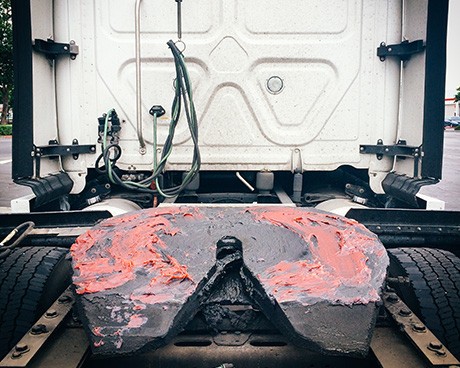
Heavy equipment frames are built to last decades. They don't last decades when they're sitting under a constant layer of road chemicals, hydraulic fluid mist, and fines that hold moisture against the metal.
A loader frame replacement on a mid sized machine runs anywhere from $8,000 to $25,000 depending on the model, and that's just parts and welding. Add downtime and lost revenue and you're often looking at $30,000 or more before the machine is back to work.
That number gets uglier when you consider that the corrosion causing the failure was usually visible two or three years before the structural problem appeared. A consistent wash schedule keeps the frame visible, which means small issues get caught and addressed before they turn into a frame replacement.
Hydraulic seals don't fail by accident
Hydraulic seals are designed to seal against clean metal. When they're sealing against caked on dirt, fines, and hardened grease, they wear out fast.
The typical wear pattern looks like this. Contamination builds up on the cylinder rod. The seal scrapes that contamination back and forth a few thousand times. The seal develops microscopic damage. The damage gets bigger. Eventually you've got a leak, and by then the rod itself usually needs work too.
A single hydraulic cylinder rebuild runs $1,500 to $4,000 depending on the machine. A bad rebuild that contaminates the rest of the hydraulic system can run $10,000 or more by the time you're flushing fluid, replacing pumps, and rebuilding valves. Most operators don't make the connection between equipment cleanliness and seal life, but the parts catalog shows up in the maintenance budget either way.
Resale value is real money
This is where the math really starts to hurt. A five year old skid steer that's been washed regularly and looks the part sells for noticeably more than the same machine sold dirty.
We're not talking about a small difference. On a $60,000 piece of equipment, the gap between a clean trade in and a filthy one can easily be $5,000 to $8,000. Multiply that across a fleet of equipment cycling out every five to seven years and a wash schedule pays for itself several times over.
Buyers aren't stupid. They know a clean machine got at least some level of care. They know a filthy one probably didn't. The auction results tell the story every week.
The total cost picture
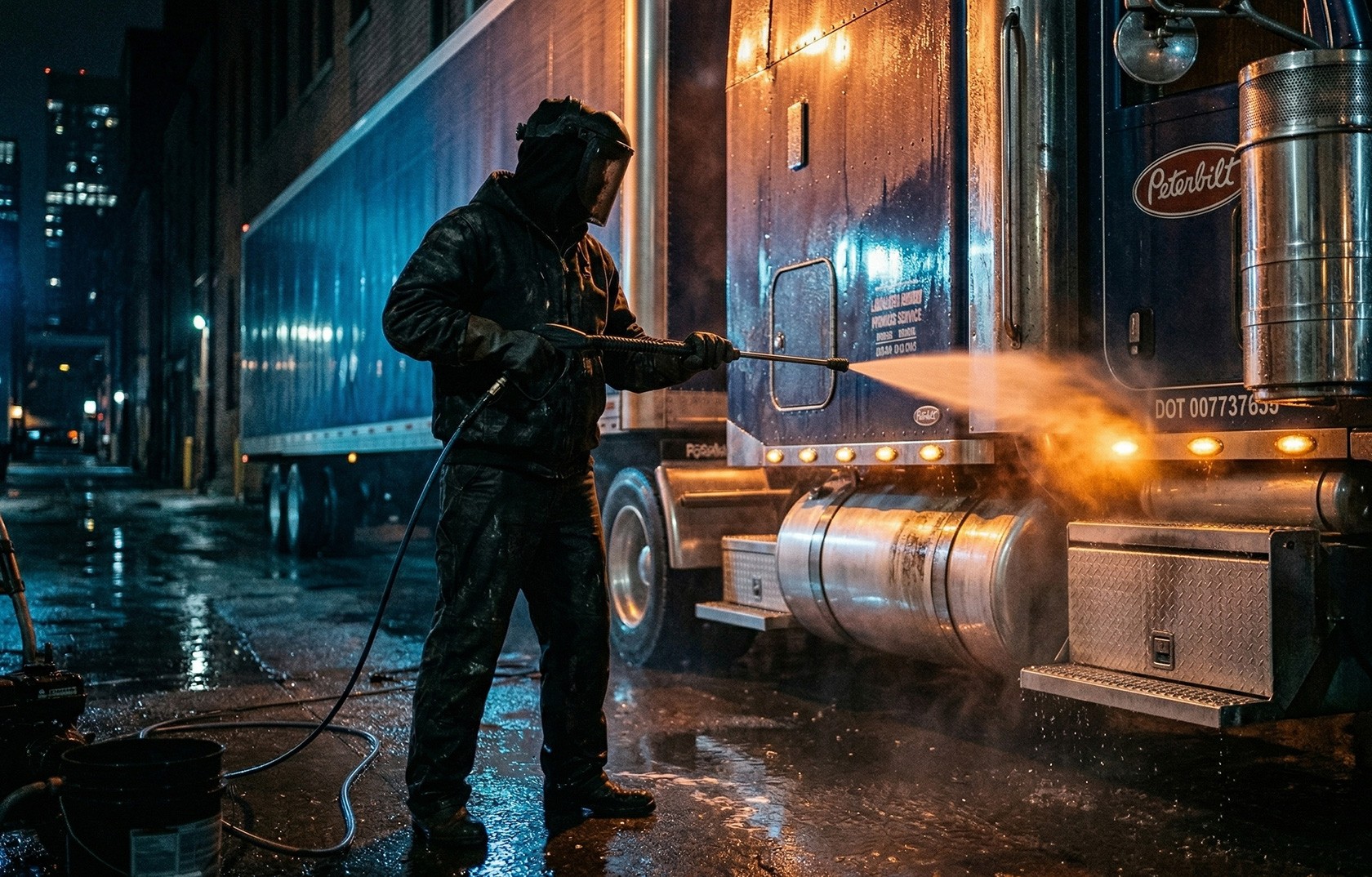
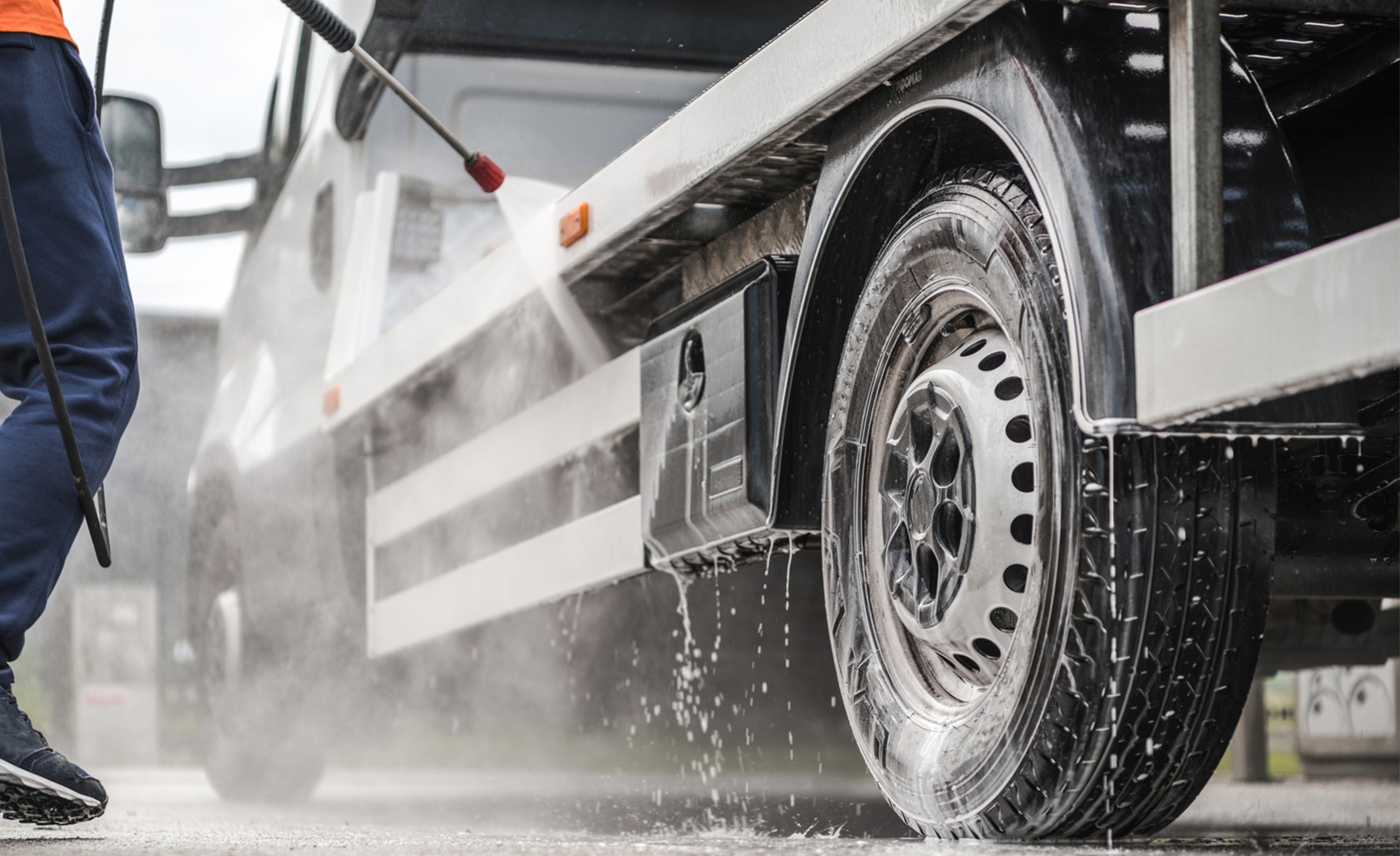
Let's run actual numbers on a small operation. Five pieces of heavy equipment, washed once a month from May through October. At our rates that's roughly $3,000 to $4,500 a year depending on what's being washed and how dirty it shows up.
Now compare that to one frame rail repair, one hydraulic cylinder rebuild gone wrong, and a $5,000 hit on a single trade in. You're looking at $20,000 or more in costs that a wash schedule would have prevented or significantly delayed.
The math isn't subtle. Equipment maintenance is one of the few areas where preventive spending genuinely pays for itself, often several times over. And unlike other maintenance line items, the savings show up across multiple categories: repair costs, downtime, resale value, and operator safety.
What we actually recommend
For most heavy equipment operations in the Mat-Su Valley and Greater Anchorage, a monthly wash through the working season is the sweet spot. Equipment getting heavy use or working in particularly contaminated environments benefits from twice monthly washes. Equipment sitting idle for the winter should get a thorough cleaning before storage so it doesn't spend six months under a layer of contamination.
If you want to talk through what makes sense for your equipment, give us a call. We'll come look at what you're running and put together a schedule that fits your operation and your budget. The wash schedule should cost less than the problems it prevents, and we'll show you the math up front.
Join our newsletter list
Sign up to get the most recent blog articles in your email every week.